What good online coaching includes
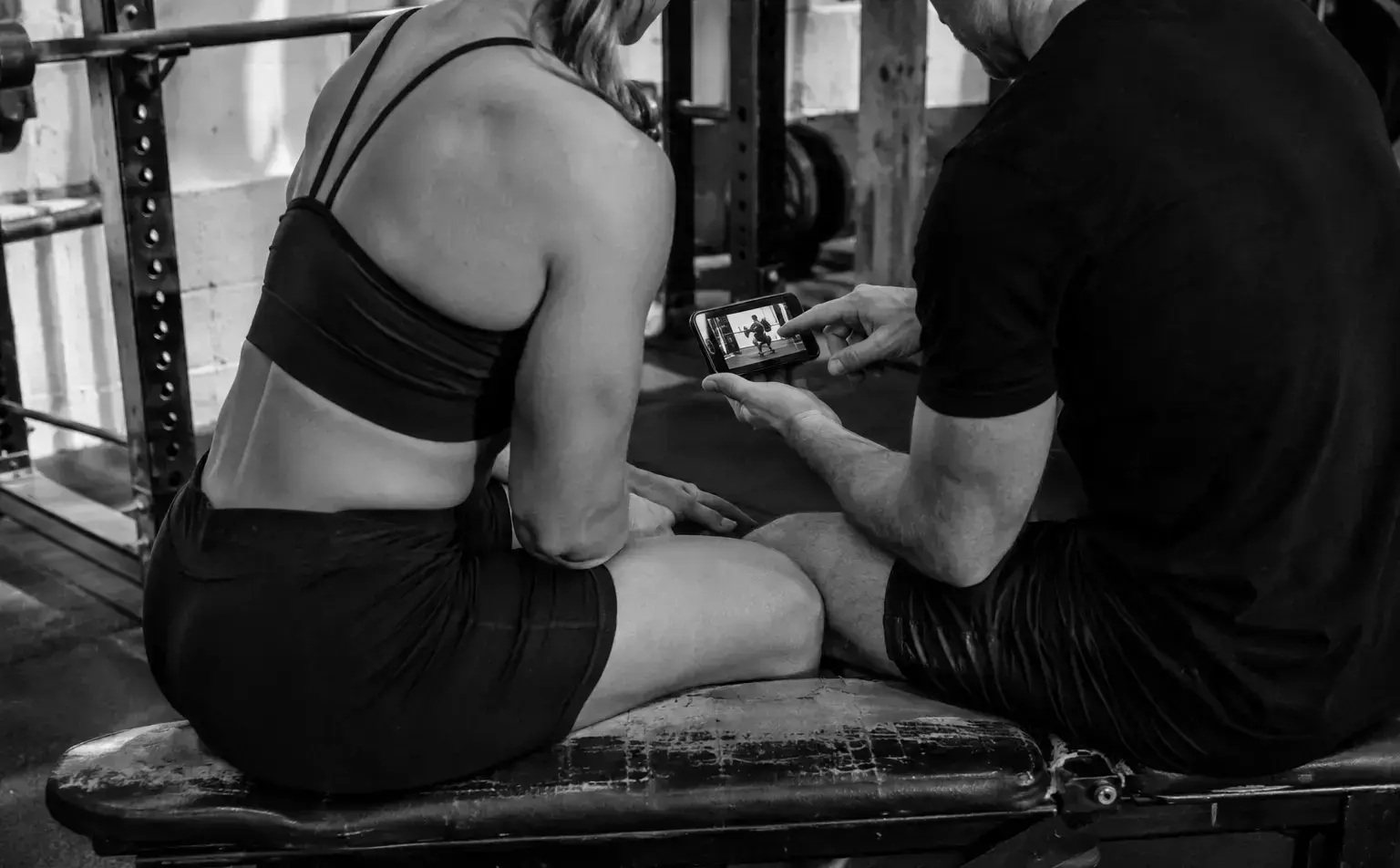
Ongoing online coaching should include a plan, a clear feedback process and changes when the training evidence calls for them. You complete the work in your own gym and send the agreed information, often including loads, effort ratings, notes and video.
It works well when you can train independently, film useful angles and communicate honestly about what happened. Distance matters less when the main problem is programming, fatigue management or consistent technical review.
In-person time solves different problems
An in-person coach can change your setup during the session, move the camera, ask you to repeat a rep and see details outside the frame. That can be useful when you are new to the lifts or when a technical issue is difficult to diagnose remotely.
One session still needs somewhere to go. If the coaching ends when you leave the gym, ask how the changes will carry into the rest of your training week.
Hybrid can be the practical middle
Hybrid coaching combines ongoing online decisions with occasional face-to-face sessions. A lifter might use an in-person session to establish the lifts, then train through an online block with video review before meeting again.
This format makes most sense when travel is possible but not convenient every week. Around Greater Belfast, it can give local lifters direct coaching without building the whole service around appointments.
Choose the service, not the label
Ask what the coach reviews, how often the programme changes, where questions go and what response time is normal. For in-person work, confirm the venue, session frequency and what happens between sessions.
Two services can both say 'online coaching' and offer very different levels of attention. Get the details before comparing price.