Several weeks before the meet
Confirm your entry, membership, weight class and the event timetable. Read the current equipment rules for your federation rather than relying on an old checklist from another lifter.
Plan travel and accommodation if needed. Share the schedule with anyone handling you. If you want a coach there, confirm the arrangement early.
- Entry and membership confirmed
- Current rulebook checked
- Approved personal equipment ready
- Travel and arrival time planned
Pack for a long ordinary day
Bring the lifting kit you have already used in training. Add simple food and drink that you know sits well, spare clothes, basic toiletries and anything the organiser asks you to carry.
Avoid turning meet day into a nutrition experiment. Familiar food in manageable amounts is easier to handle than a bag full of products you bought because another lifter uses them.
Warm-ups need a clock and a plan
Work backwards from your flight and expected platform time. Warm-ups should prepare you for the opener without becoming another training session. Busy warm-up rooms also require flexibility, so know which jumps matter and which can change.
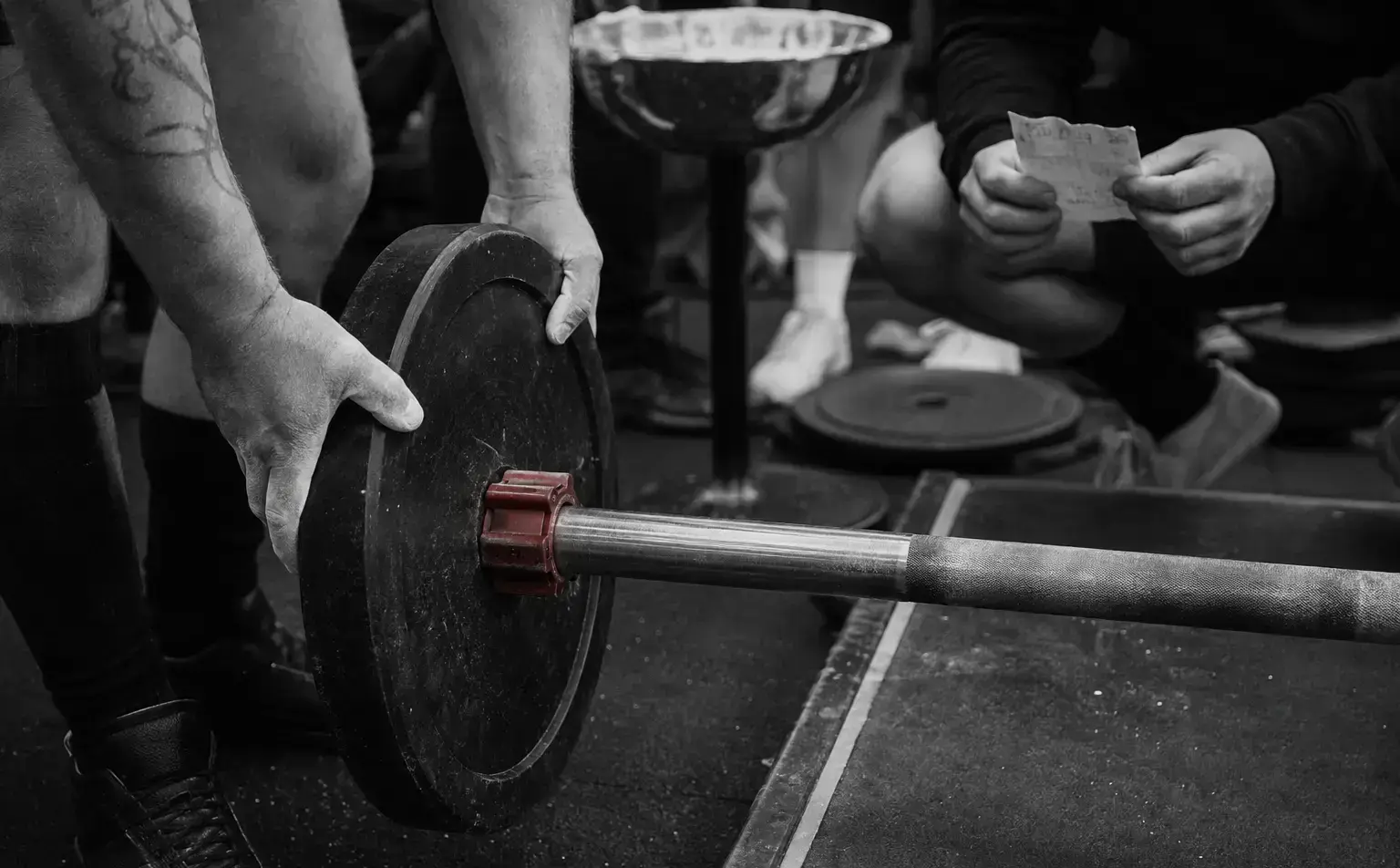
A handler can watch the flight, help load plates and keep you from taking warm-ups too early. If you are handling yourself, write down the sequence and keep the event timetable visible.
Keep attempts attached to the day's goal
Decide your likely opener before the meet, then respond to how the lift moves and whether it passes. A personal best may be available later in the sequence. It should not pull the whole plan away from establishing a total.
After the final deadlift, record the result and the practical lessons while they are fresh. Your next preparation will be better because you now know how competition feels.