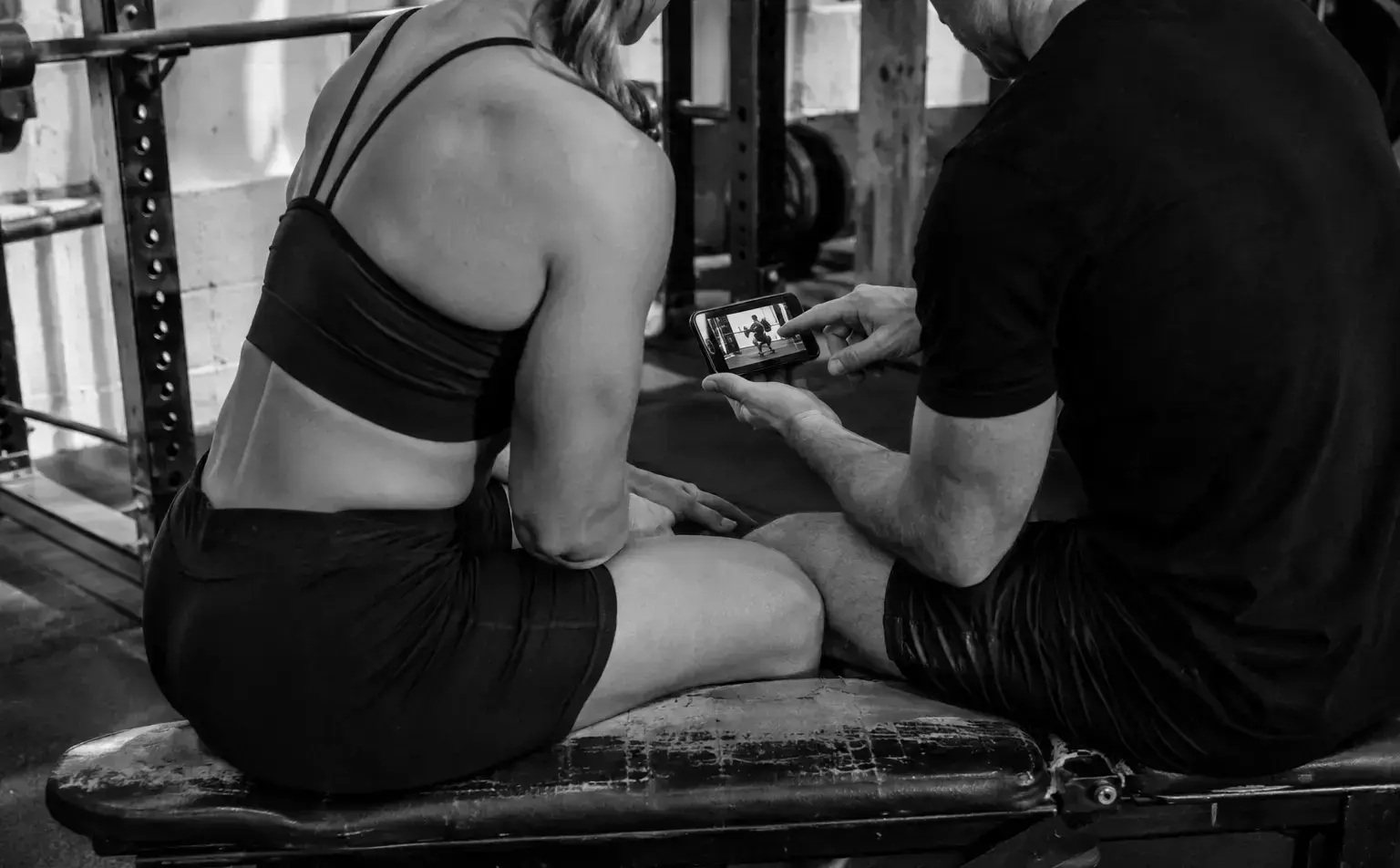
Send footage that shows the lift
Good video makes assessment easier. Record the full body and bar path from a stable angle, include the load and note how difficult the set felt. One perfect warm-up clip rarely tells the whole story.
Several representative sets can reveal whether the issue is consistent, load-dependent or simply an unusual repetition.
- Stable camera position
- Full range of motion visible
- Load and rep target included
- A note about what you felt
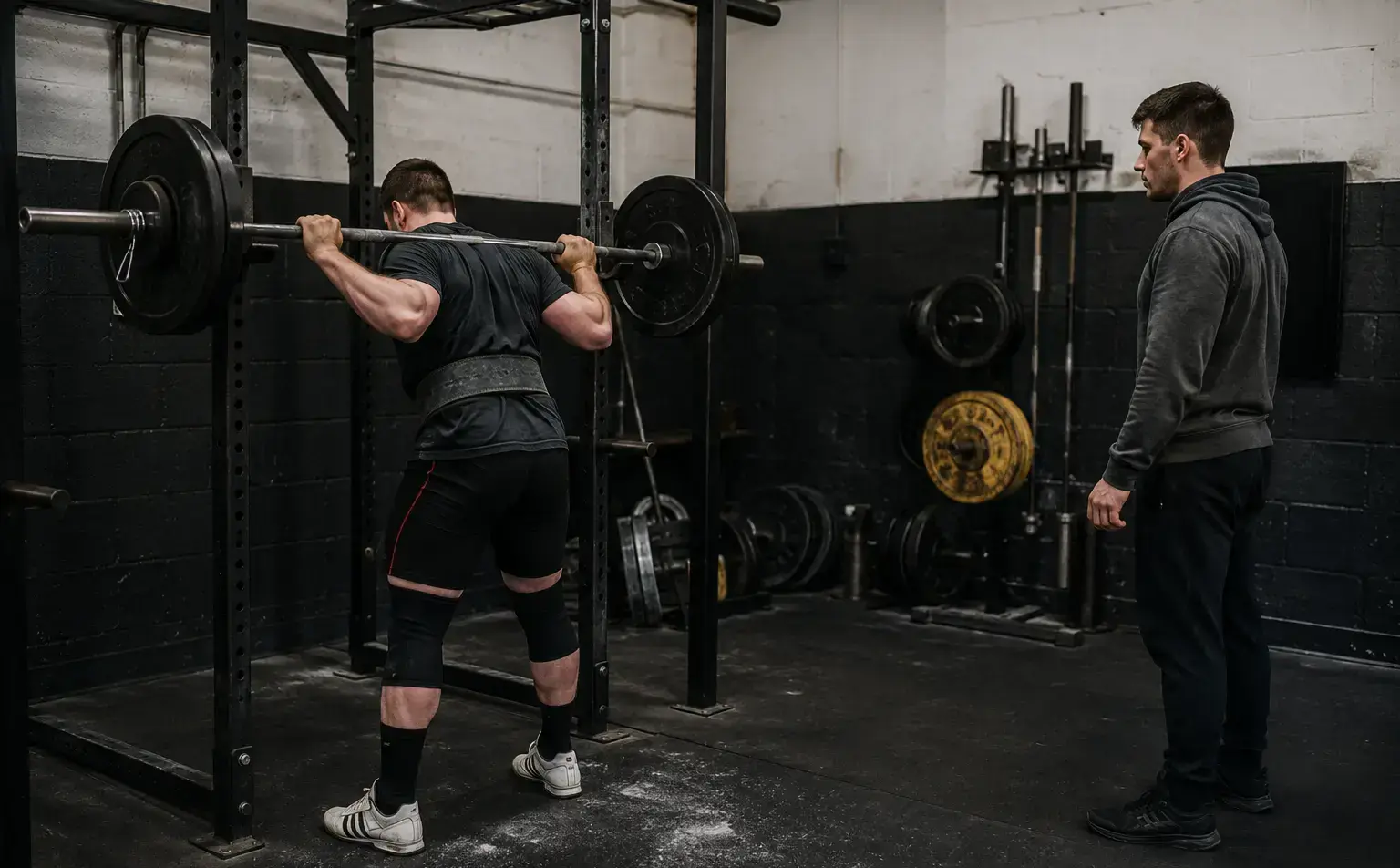
Prioritise the change that matters
Most lifts offer several things that could look better. Effective feedback identifies the change most likely to improve performance, consistency or rule compliance without burying the lifter under six new cues.
The next step should be testable. Apply the cue or programming change, record the response and decide whether it deserves to stay.
Know the limit of a video
A video cannot diagnose an injury and should not be presented as medical assessment. Persistent or concerning pain needs an appropriately qualified healthcare professional.
In-person coaching may also be more useful when the main issue is confidence, equipment setup or a pattern that is hard to capture from a single angle.