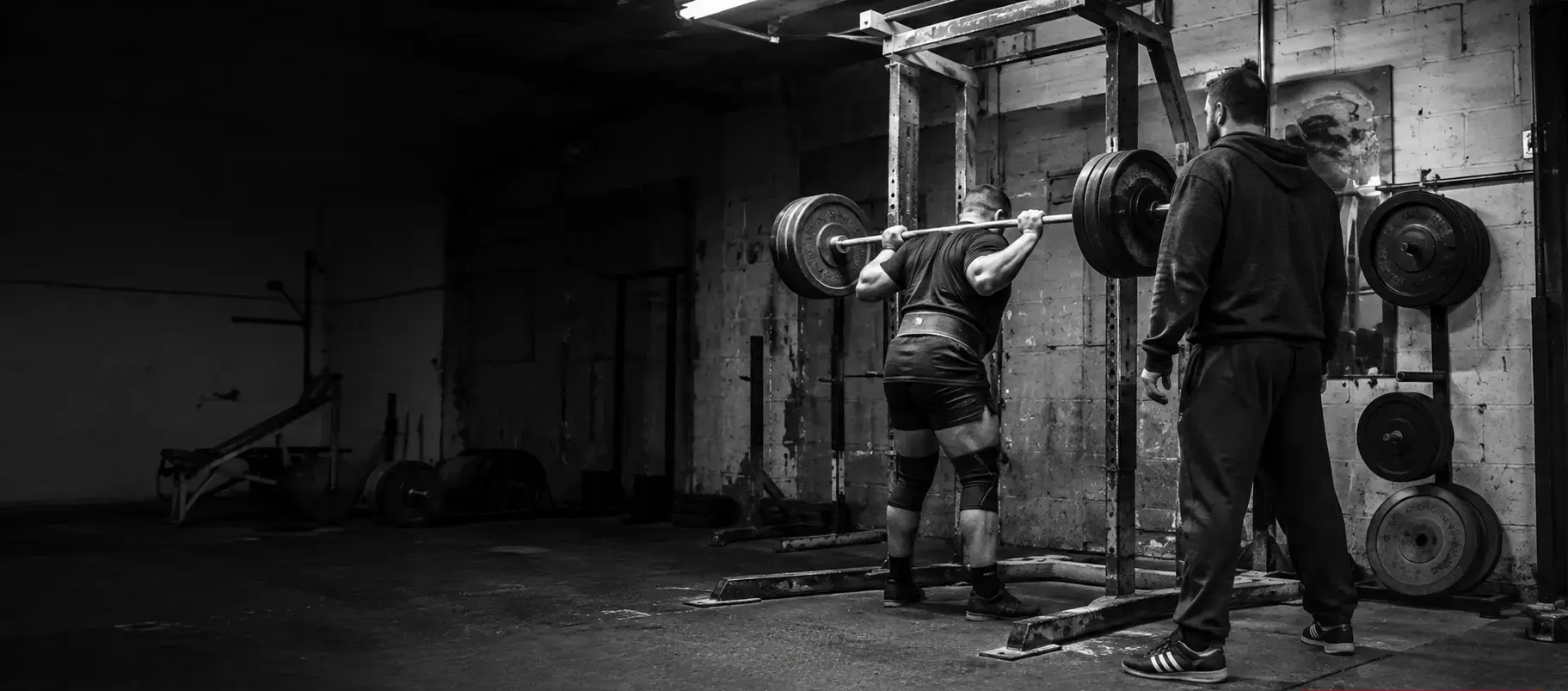
Do not improve one lift at the expense of everything else
Specialist work can help a lagging lift, but a powerlifting programme still has to manage squat, bench and deadlift together. The time and fatigue spent on one decision change what is available for the others.
Coaching creates a hierarchy: what matters most now, what needs enough maintenance and which problem can wait until the next block.
- Weekly lift frequency
- Volume and intensity distribution
- Technique priorities
- Assistance work with a clear job
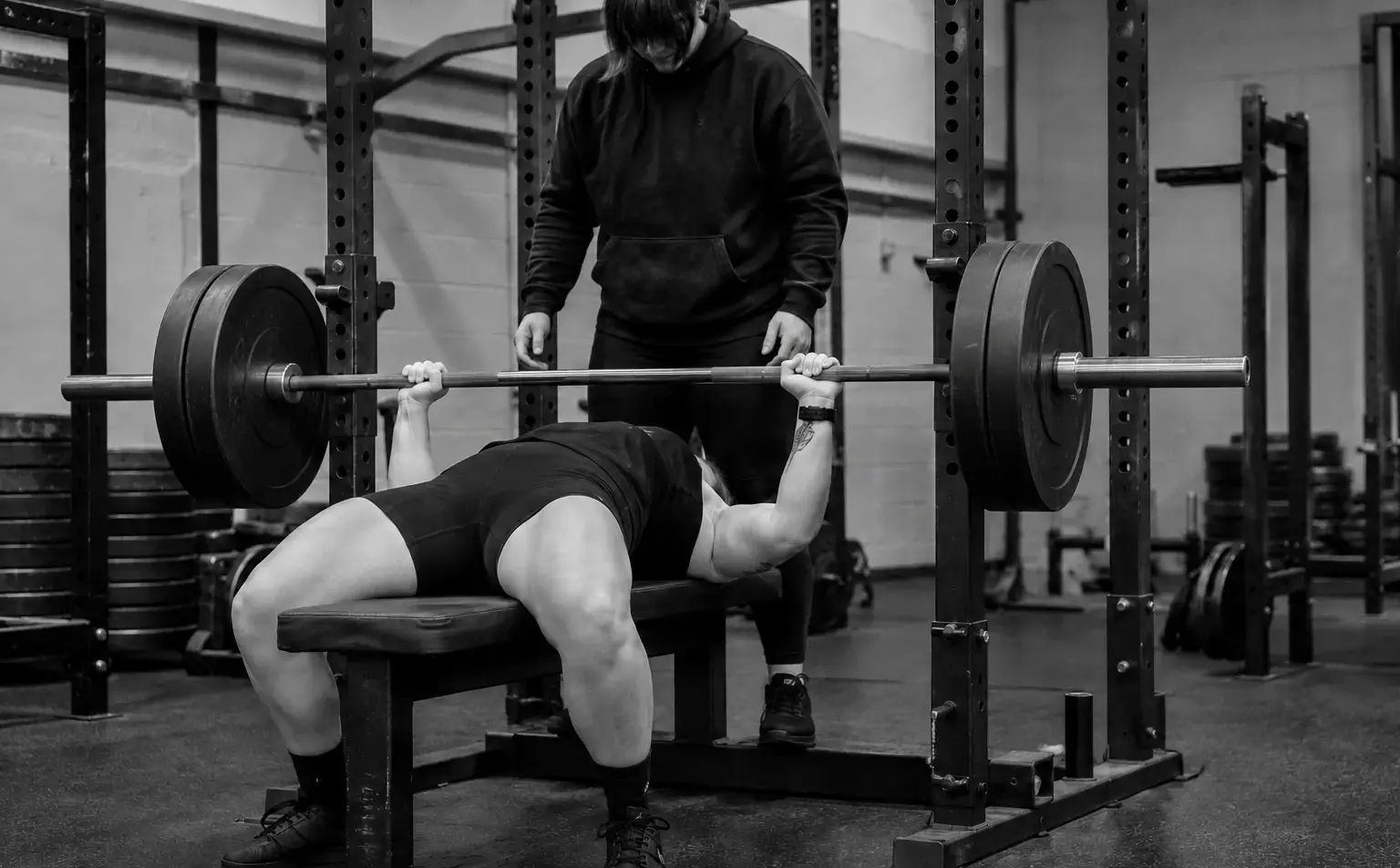
Progress you can interpret
A bigger estimated max is useful only when the inputs are trustworthy. Good coaching also watches rep quality, consistency, confidence, pain response and whether the athlete can repeat productive weeks.
Evidence-led does not mean pretending training is a laboratory. It means gathering enough useful information to make a better next decision and changing course when the result disagrees with the plan.
Compete if and when it makes sense
Many people start because they want to get strong and discover competition later. The coaching path can keep that option open by building the competition lifts without pressuring you into an event.
When you do choose a meet, the process can become more specific: commands, equipment, attempt planning, tapering and competition-day logistics.